Understanding Real Estate Closing Costs in the Dominican Republic
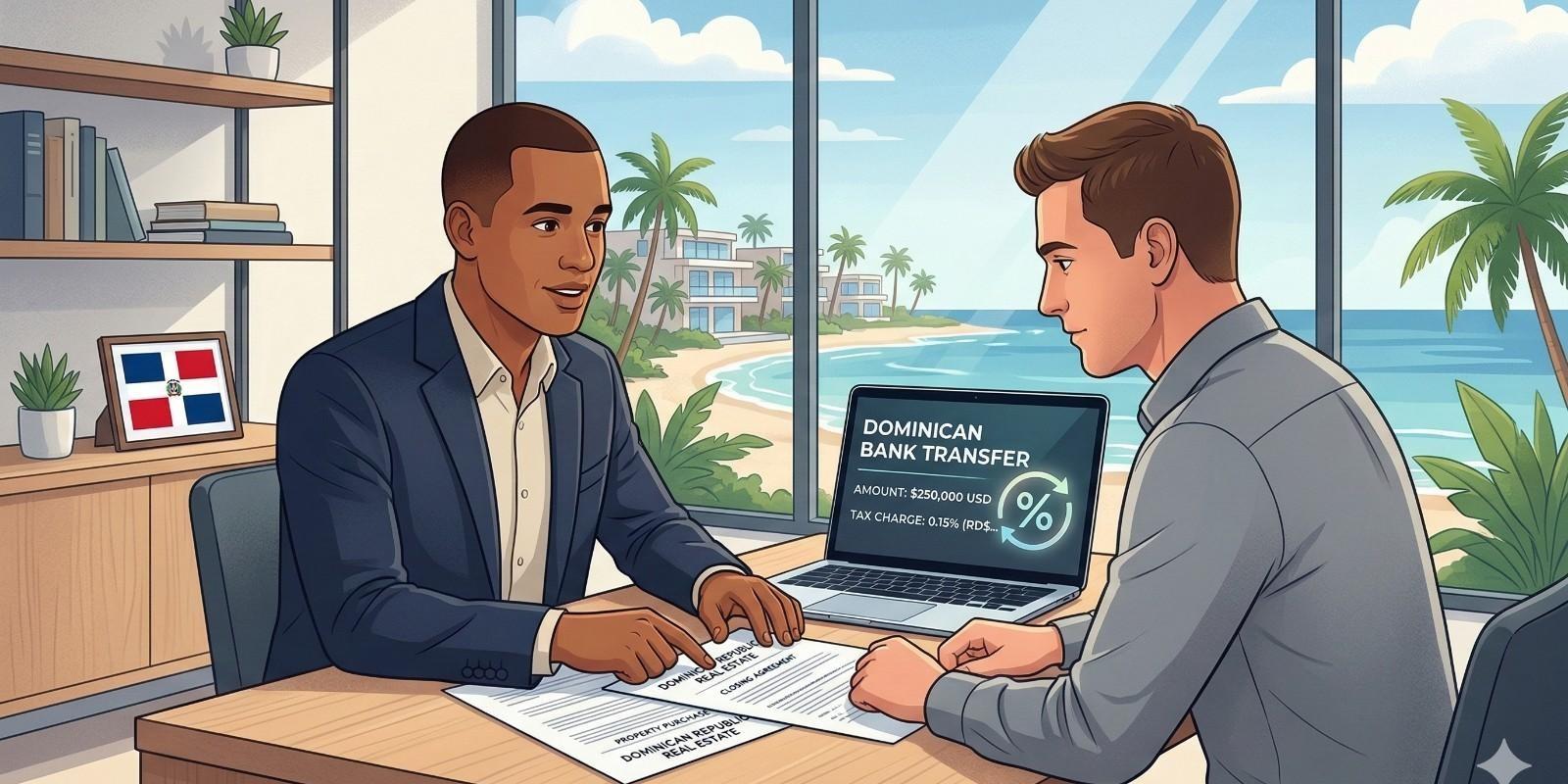
In the world of real estate, understanding the full financial picture when purchasing a property is crucial for investors. When you buy a property, such as a $300,000 home in the Dominican Republic, it's essential to recognize that the cost extends beyond just the price of the property itself. This article will explore the various taxes and closing costs associated with purchasing real estate, providing clarity for potential investors looking to navigate this exciting market.
When considering an investment in real estate, especially in a vibrant market like the Dominican Republic, it’s easy to focus solely on the purchase price of a property. However, savvy investors know that there are several additional costs that can significantly impact their overall budget. Understanding these expenses not only helps in planning your investment but also ensures that you are fully prepared for what lies ahead. In this article, we will break down the various costs associated with purchasing a property, using a $300,000 home as our example.
Buying property involves several financial obligations that go beyond the initial purchase price. Here’s a breakdown of some key costs you should be aware of:
One of the first costs to consider is the real estate transfer tax, which is typically set at 3% of the property's purchase price. For a $300,000 home, this would amount to $9,000. This tax is levied by the government when ownership of the property changes hands and is an essential part of budgeting for your investment.
In addition to the transfer tax, there is also a check and electronic transfer tax of 1.5 per thousand. For our example property priced at $300,000, this would add another $450 to your total expenses. It’s important to factor in these fees as they can accumulate quickly.
Depending on the value of your property and local regulations, you may also be subject to an annual property tax known as IPI (Impuesto al Patrimonio Inmobiliario). While this tax may not apply immediately upon purchase, it’s crucial to understand its implications for ongoing ownership costs.
When finalizing your purchase, notary fees will also come into play. These fees vary but generally range between $500 and $1,500 depending on the complexity of your transaction. Notaries play a vital role in ensuring that all legal documents are properly executed and registered.
Engaging a lawyer for assistance during your property purchase is highly recommended. Legal fees can vary widely based on services rendered but expect to pay around 1% to 2% of the property value for comprehensive support. For our example house, this could mean an additional $3,000 to $6,000.
If you are transferring funds internationally for your purchase, be aware of any banking fees associated with currency exchange or international wire transfers. These costs can add up quickly depending on your bank's policies.
Lastly, don’t forget about administrative or municipal costs that may arise during the buying process. These can include registration fees or other local taxes that vary by municipality.
To illustrate how these costs can affect your overall investment strategy, let’s look at three case studies involving different properties in the Dominican Republic.
Maria decided to invest in a beachfront condo valued at $250,000. After calculating her closing costs—including transfer taxes ($7,500), notary fees ($1,200), and legal fees ($5,000)—she realized she needed an additional $13,700 on top of her initial investment just to close the deal successfully. Understanding these expenses allowed Maria to negotiate better financing options with her bank.
John and Lisa purchased a family home for $400,000. They meticulously calculated their expenses: transfer tax ($12,000), check transfer tax ($600), and legal fees ($8,000). Their total closing costs came to approximately $20,600. By planning ahead and incorporating these figures into their budget from day one, they were able to avoid any last-minute surprises during their purchasing process.
Tom invested in a rental property worth $500,000. He understood that with higher-value properties come higher closing costs—his transfer tax alone was $15,000! By preparing for these expenses upfront and securing financing that covered both his purchase price and closing costs effectively, Tom positioned himself well for future rental income without overextending his financial resources.
Understanding the various costs associated with purchasing real estate in the Dominican Republic is crucial for effective financial planning and successful investments. By being aware of taxes such as transfer taxes and IPI as well as additional expenses like notary and legal fees, you can create a more accurate budget that reflects your true investment needs. This knowledge empowers you to make informed decisions as you navigate this vibrant market. If you're ready to take the next step in your real estate journey or have questions about specific properties or processes in the Dominican Republic, feel free to reach out to Pedro Reyes today!
Closing costs typically include various taxes (like transfer tax), legal fees, notary fees, and other administrative expenses related to finalizing a real estate transaction.
As a general rule of thumb, expect closing costs to range from 5% to 10% of your property's purchase price depending on various factors such as location and type of transaction.
Yes! Depending on where your property is located within the Dominican Republic, you may be subject to annual property taxes (IPI) based on its assessed value.
While some fees are fixed by law or practice (like transfer taxes), others—such as legal or notary fees—may be negotiable depending on your agreement with service providers.
Failing to account for additional costs can lead to unexpected financial strain during or after your purchase process; therefore it’s essential always to plan ahead! Investing in real estate is an exciting venture filled with potential rewards—and understanding all associated costs will only enhance your experience! Reach out today if you're ready to dive deeper into this rewarding journey!

¡Bienvenido! Soy Pedro Reyes Castillo, Director Regional de eXp Realty en República Dominicana. Con más de 25 años de experiencia en el sector inmobiliario y una sólida base como abogado, me dedico a impulsar a agentes y clientes a alcanzar su máximo potencial.
Mi enfoque combina el conocimiento legal, la tecnología y la formación continua para transformar cada oportunidad inmobiliaria en una experiencia segura, rentable y transformadora. Estoy aquí para acompañarte con visión, integridad y pasión en cada paso de tu camino en bienes raíces. MÁS INFORMACIÓN.
Avoiding Investment Pitfalls in the Caribbean for Retirees
Investing in the Caribbean can be rewarding for foreign retirees, but common mistakes like lack of research, overlooking local laws, and underestimating costs can lead to pitfalls. This article explores these challenges and offers practical solutions for successful investments.
How to Rent Out Your Property in the Dominican Republic in 2026: A Step-by-Step Guide for Owners
Renting out property in the Dominican Republic requires careful preparation. This guide covers essential steps including property readiness, pricing strategies, effective marketing, tenant screening, and understanding the payment structure to ensure a successful rental experience.
Dominican Republic Family Relocation Schools Guide 2026 2027
This guide offers insights for families relocating to the Dominican Republic, covering key areas like Santo Domingo, Punta Cana, Santiago, and Puerto Plata/Sosúa. It highlights international schools, residential options, and essential considerations for a smooth transition.